A common Saturday morning task for me used to be waiting under the sun while my car cooled down enough to touch the steering wheel. After I had my windows tinted, that routine disappeared. The change was tangible: the cabin stayed noticeably cooler, the glare on the dash and infotainment screen dropped, and long drives felt less draining. That real-world experience is why people search for window tinting near me and why a modest investment in tint can alter how you use your car every day.
Why people look for window tinting, especially in sun-heavy cities, is straightforward. The benefits reach beyond style. Window film is a combination of aesthetic upgrade, functional heat management, UV protection, privacy, and safety. Below I break down how window tinting improves car comfort, what to expect from a shop, trade-offs to consider, and practical tips for finding a local installer that knows the local rules and climate. If you live in or near san antonio, many of these observations will apply directly — heat and bright sunlight shape the decision in ways that are worth unpacking.
How window tint changes cabin temperature and glare Car interiors are greenhouse environments. Glass admits shortwave sunlight, which strikes upholstery, dash, and passengers, then re-radiates longer wavelength heat that becomes trapped. Window film reduces that effect in two main ways. Some films reflect or absorb a portion of incoming infrared radiation that carries heat, while others use a ceramic or metallic layer to block infrared without excessively darkening the view. Both reduce the amount of energy turning into heat inside the cabin.
In practical terms, a professionally installed high-quality film can lower interior temperatures by a range of roughly 10 to 30 degrees Fahrenheit compared with untreated glass, depending on film type, exposure, and vehicle color. That range reflects real-world variability: a black sedan parked in direct sun with a basic dye film will behave differently than a white SUV with high-performance ceramic film and a covered windshield. Still, the result most drivers notice first is reduced scorching heat after the car sits in the sun for a few hours.
Glare reduction matters even if peak temperature change is modest. Direct sunlight on a dashboard or on a navigation screen forces drivers to squint or reposition themselves. Tint cuts surface brightness and improves contrast for displays, making short trips and long hauls less fatiguing.
UV protection for skin and interior longevity Ultraviolet radiation is a silent damage agent. It fades leather and fabric, cracks plastic trim, and contributes to brittle dashboard finishes over years. For occupants, UV exposure through side windows contributes to cumulative skin damage. Quality window film can block up to 99 percent of UV-A and most UV-B radiation. That is not a marketing promise alone; many films carry measurable UV-blocking ratings.
Consider a family van used for daily school runs and weekend errands. After a few years, seat fabric by the passenger door will show more fading than the rear seats. Installing film on front side windows and the windshield reduces that localized degradation, preserving resale value and the vehicle’s appearance.
Privacy, safety, and reduced interior fade also save money long term. Fewer damaged surfaces means less need for replacements or expensive detailing. For drivers who keep electronics and packages visible in the car, tint adds a layer window tinting san antonio of privacy, while some films include shatter-resistant adhesive that helps hold broken glass together after an impact.
Types of window film and how they affect comfort Not all tints are created equal, and the differences matter when your priority is tint near me comfort.
Dye-based films are the oldest, least expensive option. They look deep black and block some solar heat and glare, but they tend to fade over several years. Metallic films add reflective particles that increase heat rejection and durability, yet they can interfere with radio and GPS reception in some cases. Ceramic or non-metallic films deliver high heat and UV rejection without affecting signals, and they are more color-stable and longer-lived, but they cost more upfront.
There is also hybrid film that blends dye and metallic particles, offering a middle ground on price and performance. For drivers in hot climates such as san antonio, ceramic films are increasingly popular because they balance visible light transmission with strong infrared blocking, delivering the cooler cabin and clearer view without signal issues.
Legal limits and balancing comfort with compliance Comfort gains must respect local laws. Many states and cities regulate how dark or reflective window tint may be, often specifying a minimum visible light transmission percentage for front side windows and different limits for rear windows and the windshield. Getting a ticket for illegal tint undercuts the whole point.
If you live near san antonio and search for san antonio window tinting, pick a shop that knows Texas statutes and local enforcement patterns. A few practical rules of thumb: shops that have been in a local market for years will have likely handled state inspection checks, and they will either print a compliance certificate or offer a film that fits within the legal range. Ask to see the film’s VLT number, which tells you what percentage of visible light passes through the film. Typically, a VLT of 35 percent to 50 percent balances comfort and compliance for front side windows in many jurisdictions, but check local law before deciding.
Ride comfort, driver safety, and night visibility trade-offs Heavily tinted windows can make a car feel private and cool, but they also reduce visibility at night. For drivers who do a lot of late-night commuting, choosing a film that keeps front windows on the lighter side or only tinting the rear windows is a reasonable compromise. Ceramic films that block heat while maintaining higher VLT numbers help with this trade-off.
Another consideration is windshield tinting. Many places restrict windshield tint to the top few inches or prohibit it altogether, for safety reasons. Heat rejection windshield films exist, but they are often limited to a sun strip at the top. Keep in mind that driver safety at night and in poor weather should trump the desire for maximum shading. When in doubt, prefer more conservative VLT for front windows and windshield, and apply darker film to rear passenger and cargo windows where legal.
Choosing a local installer - what to ask and inspect Not every tint shop is equal. A competent local installer affects how long the film lasts, how it looks, and whether it bubbles or peels after a year in sun and humidity. When you search for window tint near me, plan a short interview with the shop.
Ask about the film brand and warranty. Good shops use branded film with a documented warranty that covers bubbling, cracking, adhesive failure, and discoloration for a period that can be anywhere from five years to a lifetime, depending on the film. Request to see sample panels so you can check how the film handles reflections and color. Ask whether the installer removes door cards for edge trimming; careful edge work reduces the risk of peeling.
Inspect the shop’s work on other vehicles, if possible. A clean, soft-edged trim, no adhesive residue on the glass, and uniform tint density are signs of craftsmanship. Beware of "box tinting" operations that rush jobs or use aftermarket cutting tapes that leave visible borders. In cities such as san antonio where the sun is intense and humidity varies seasonally, a correctly installed film will show fewer defects after prolonged exposure.
Cost considerations and value over time Expect prices to vary considerably based on film type, vehicle size, and the installer’s skill. For a compact car, a basic dye film installation might start below $100, but a professional ceramic film job often ranges from $200 to $600 or more, depending on features and warranty. Larger SUVs and vans cost more because of the extra glass area.
Think about cost as a combination of initial outlay and lifetime value. A cheaper film that fades and bubbles within a year ends up costing more when you factor in replacement. A higher-end ceramic film that carries a multi-year warranty and demonstrable heat rejection will likely provide better comfort, less fade to the interior, and less long-term maintenance, often justifying the higher price.
Simple maintenance and what to expect after installation Right after installation you should keep windows rolled up for 48 to 72 hours and avoid rolling them down until the film adheres fully. Clean the inside of the glass with a soft, non-abrasive cloth and a mild soap solution for the first few weeks. Many reputable shops will give you a care sheet and demonstrate proper cleaning.
Expect subtle curing phases over the first few months as moisture within the adhesive evaporates. Tiny bubbles or a hazy look can appear initially but usually disappear. If defects persist past the warranty-free curing period, reputable shops repair or replace film under the warranty terms.
When tinting is worth it - use cases Commutes in hot climates: if your commute includes extended time parked outdoors or driving during peak sun, a film that reduces interior temperatures will reduce reliance on air conditioning and make the car more comfortable entering and during the commute.
Families with children or sensitive skin: blocking UV is not theoretical. For passengers who are outdoors-exposed hours per day, or drivers with skin sensitivity, films that block 99 percent of UV can reduce cumulative sun exposure.
Drivers who carry valuables: privacy tinting keeps packages and devices less visible to passersby. Combine that with a parking strategy and alarm system for better security.
Rideshare and taxi drivers: more comfortable passengers mean better ratings. Rideshare drivers who work in hot cities see immediate returns in rider comfort, and ceramic films that maintain visibility at night help safety.
One brief checklist to prepare for a tint appointment
- Confirm legal VLT limits for your city or state, or ask the shop to confirm. Decide on a film type and budget, and request a sample or demo. Inspect installer credentials, warranty, and past work. Plan to leave the vehicle for a few hours if possible and follow aftercare instructions.
Common myths and realistic expectations Myth: All window film blocks the same amount of heat. Reality: performance varies widely by film technology. Ceramic films block more infrared without heavy visual darkening. Dye films block less and can fade.
Myth: Tinting will make the car glare-free at night. Reality: tint reduces daytime glare handsomely but reduces night-time visible light as well. A balanced VLT and quality film mitigate problems; extremely dark films make night driving harder.
Myth: You can remove tint easily at home. Reality: poor removal techniques risk scratching the glass and damaging trim. Professional removal is often worth the cost if the film is old or bubbled.
Local search tips - finding san antonio window tinting or window tinting san antonio When you enter a search phrase like window tinting san antonio or window tint near me, refine your search by adding terms that matter: ceramic, lifetime warranty, or a brand name you trust. Look for shops with local reviews that mention longevity and resistance to bubbling in sun and humidity. Shops that belong to local business associations or have repeat customers usually offer better accountability. Call and ask direct questions about local code compliance and to see a warranty in writing before booking.
Final practical advice Balance is the guiding principle. Too light a tint will underdeliver on heat and UV reduction, while too dark a tint can compromise visibility and legality. For most drivers in hot climates, choosing a higher-quality film that targets infrared while preserving visible light yields the best blend of comfort and safety. Prioritize an installer who demonstrates local knowledge, offers a solid warranty, and shows past work that looks clean and consistent.
When you get the right film and the job is done well, the benefits become part of your everyday routine. You will notice it stepping into the car after an hour in the sun, watching displays without blind spots from glare, and seeing seats that do not fade as quickly. Those are small improvements that add up to a measurably better driving experience, which is why so many people searching for window tint near me end up making the choice.
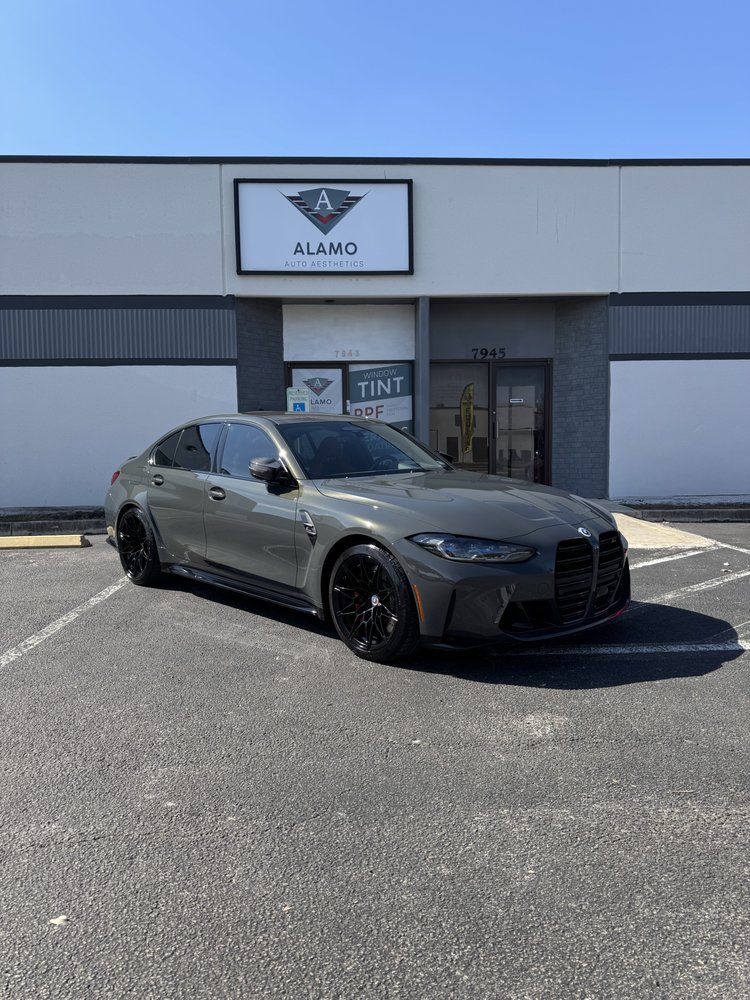
Alamo Auto Aesthetics PPF, Tints, Wraps 7943 Mainland Dr, San Antonio, TX 78250, United States +1 210-361-3765 https://alamoautoaesthetics.com/ Instagram: https://www.instagram.com/alamoautoaesthetics Facebook: https://www.facebook.com/profile.php?id=61576817309936 YouTube: https://www.youtube.com/@Alamoautoaesthetics Tiktok: https://www.tiktok.com/@alamoautoaesthetics
Alamo Auto Aesthetics PPF, Tints, Wraps 7943 Mainland Dr, San Antonio, TX 78250, United States +1 210-361-3765 Website: https://alamoautoaesthetics.com/